Restoring 1930s Wood Floors in Carshalton | Pine Floor Experts
Few flooring features give a Carshalton home more character than original 1930s pine floorboards. In many houses around the area, these boards have survived decades of furniture movement, old carpet gripper damage, paint splashes, water staining and uneven wear. Yet when restored properly, they can deliver exactly what modern homeowners want: warmth, authenticity, durability and a lighter, cleaner finish that works beautifully with both period and contemporary interiors. At Carshalton Floor Sanding, we regularly help homeowners bring tired softwood floors back to life without stripping away the charm that made them worth keeping in the first place.
The key is not simply to sand everything flat and coat it in the glossiest finish available. Good restoration is a balance between conservation and improvement. A 1930s pine floor needs careful assessment, sensible repairs, the right grit sequence, dust-controlled sanding, and a finish that suits the property, lifestyle and light levels. If you are comparing finishes, repair options or colour changes, our guides to wood floor sanding in Carshalton and professional floor restoration services in Carshalton are also worth reading before you commit.
Why 1930s Pine Floors Are Worth Restoring
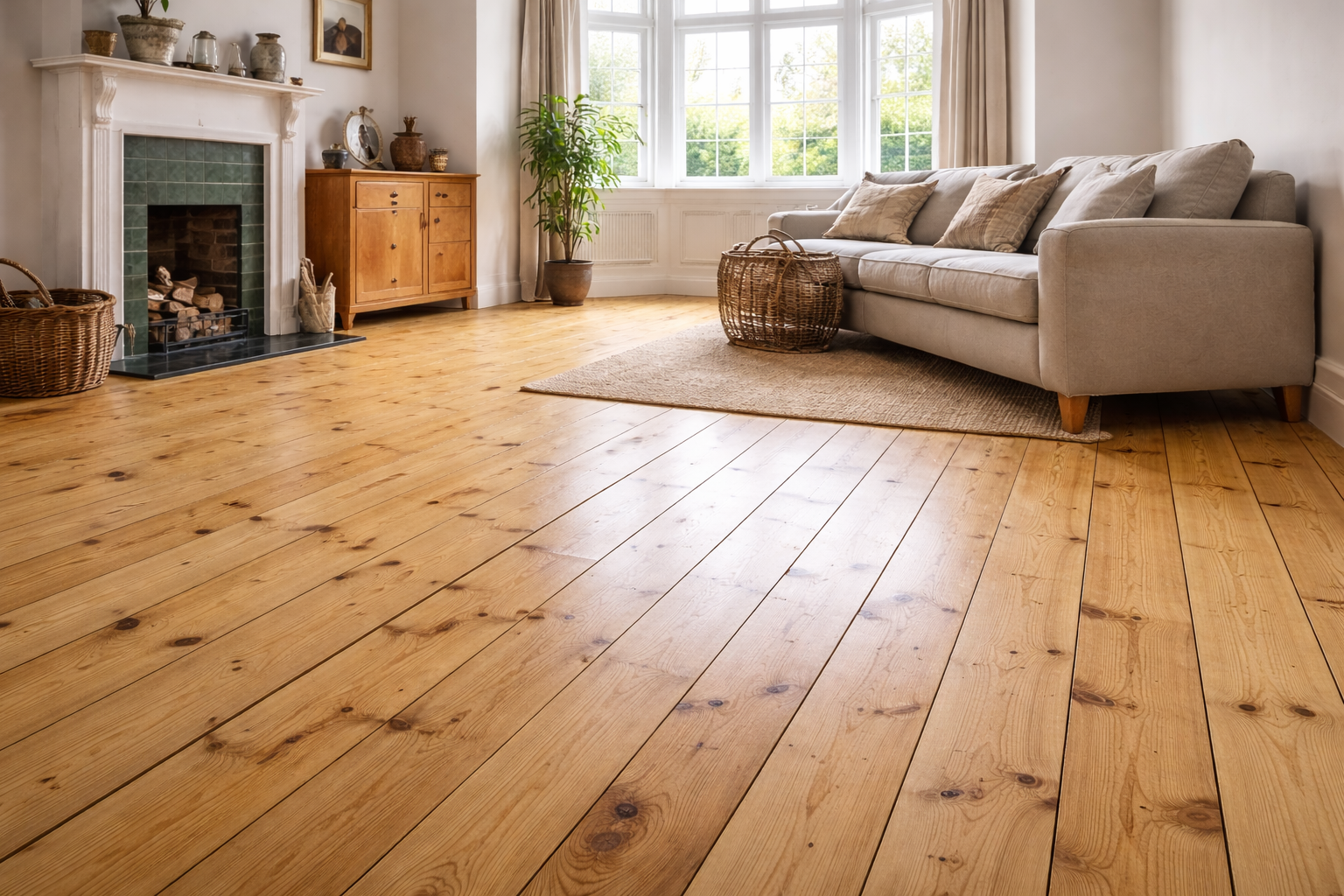
Many 1930s houses in Carshalton were built with practical, robust softwood floorboards that were designed to last. Although pine is softer than oak, it has a distinctive grain pattern and warm tone that works especially well in bay-fronted semis, terraced homes and interwar family properties. Once hidden beneath old underlay and carpets, these floors often reveal a far better base than owners expect.
Replacing an original pine floor with a modern alternative can remove part of the home’s character. Restoration is usually the more sympathetic option, particularly when the boards are structurally sound and only need sanding, localised repairs, gap work and refinishing. A professionally restored pine floor can brighten the room, improve day-to-day cleaning, and create a far more intentional interior finish than worn carpet or patchy laminate.
It is also a practical upgrade. Once sanded and sealed, old floorboards are easier to maintain, less likely to trap dust, and much better suited to modern family use. Whether the goal is a natural Scandi-style look, a richer honey tone, or a tougher finish for a busy hallway, original 1930s pine can usually be adapted successfully.
Common Problems We See in Carshalton’s 1930s Pine Floors
Not every old floor can be treated in exactly the same way. Pine boards from the 1930s often present a familiar set of issues, and getting these right before sanding is what separates a lasting result from a cosmetic quick fix.
1. Carpet damage and black gripper stains
Many original boards have been hidden for decades, leaving rust marks from carpet nails, black staining near external walls, and rows of fixing holes around the room perimeter. These defects need targeted preparation before the main sanding stages begin.
2. Cupping, minor undulation and lipping
Older softwood floors are rarely perfectly level. Small height differences between boards, old repairs and historic movement can leave a floor looking uneven. The aim is to improve the surface substantially without over-sanding the life out of the timber.
3. Gaps between boards
Pine floorboards naturally move with seasonal humidity changes. Some gaps are purely cosmetic, while others are large enough to collect dust, create draughts or affect the finished look. Resin filling may suit finer gaps; larger openings often need timber slivers or selective repair rather than a blanket filler approach.
4. Paint, bitumen and old finishes
It is common to uncover remnants of old paint, shellac, varnish or adhesive residue. These finishes can clog abrasives and complicate the first sanding passes, especially on heavily used ground floors.
5. Loose boards and noisy movement
Squeaks are not always caused by the boards themselves. They can point to historic fixings, joist movement or poorly secured sections near doorways and chimney breasts. A proper restoration deals with the cause, not just the visible symptom.
How Professional Restoration Modernises Classic Pine Without Losing Its Character
The best 1930s floor restorations do not try to make old pine look like brand-new engineered oak. They retain the personality of the boards while making the surface cleaner, calmer and more suited to modern living. That means reducing visual noise, tightening up obvious defects, and choosing a finish that complements the rest of the room.
For some Carshalton homes, that means keeping the timber natural and matte so the grain does the work. For others, it means warming up pale boards with a subtle stain before sealing. If you are exploring colour options in more detail, our article on wood floor staining explains how tone, light and room use affect the final appearance.
Modernising classic pine is often about restraint. Clean sanding lines, well-matched repairs, tidy edges, thoughtful filling and the correct sheen level will usually make a bigger difference than aggressive recolouring. In a 1930s property, a finish that respects the home’s proportions and natural light nearly always feels more expensive than one that looks over-processed.
The Restoration Process: Step by Step
Initial survey and moisture assessment
Every successful job starts with inspection. We identify board condition, previous repairs, visible movement, old fixings, finish build-up and any signs of damp-related staining. Moisture balance matters, especially on older ground floors, because sanding and sealing a floor before moisture issues are addressed can lead to avoidable movement and finish failure later.
Preparation and repair work
Before sanding begins, loose boards are secured, protruding nails are punched down, and damaged sections are assessed for repair or replacement. Where boards are beyond saving, reclaimed or closely matched timber can be fitted so the repair blends with the surrounding floor rather than standing out harshly.
Grit sequence and controlled sanding
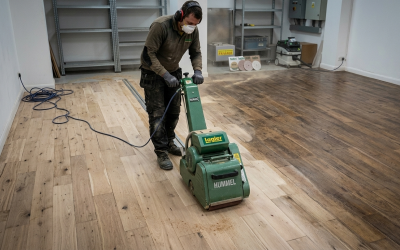
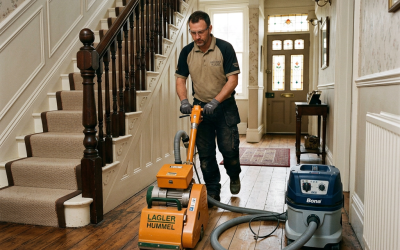
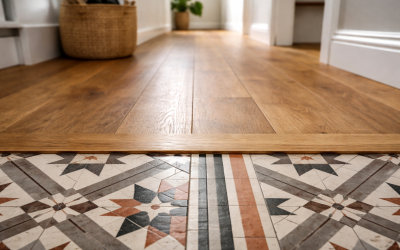
1930s pine needs a measured sanding approach. Coarser abrasives may be required initially to remove old coatings and level wear, but the process should then be refined through progressively finer grits to reduce scratch visibility and leave the timber ready for finishing. Edge work, corners and thresholds need the same care as the open floor area if the final result is going to look seamless.
Gap filling where appropriate
Gap filling is never one-size-fits-all. Fine, stable gaps can often be treated neatly; larger or more seasonal gaps may be better managed selectively. Overfilling an active pine floor can create cracking and disappointment later, so the right method depends on board width, movement and room conditions.
Fine finishing preparation
After sanding, the floor must be vacuumed and checked thoroughly before any stain, seal coat or top coat is applied. Dust contamination, inconsistent absorbency and missed scratch patterns show up fast on pine, especially in strong daylight.
Choosing the Right Finish for a 1930s Pine Floor
The finish determines not just how the floor looks on day one, but how it wears, how easily it can be maintained, and how forgiving it will be in a busy household.
Lacquer for durability and easier routine cleaning
A high-performance lacquer is often a strong option for hallways, living rooms and family spaces where durability matters. Bona states that Bona Traffic HD is designed for heavy-wear wood floors and allows full traffic after 12 hours, making it a useful choice where a hard-wearing, lower-downtime finish is needed.
In practical terms, lacquer suits homeowners who want a consistent, sealed surface that is straightforward to clean. A matte or extra-matt sheen can keep the look contemporary and stop the floor feeling overly glossy or orange.
Hardwax oil for a more natural, traditional appearance
Hardwax oil remains popular on older pine because it tends to preserve a more natural, tactile look. Osmo describes Polyx-Oil Original as durable, hardwearing and resistant to water, dirt and abrasion, which makes it attractive for period-style interiors where visual softness matters. Osmo also notes clear finishes typically dry in around 8 to 10 hours, with full curing taking longer, so expectations around return-to-service need to be managed properly.
Oil-finished pine can be especially appealing in bedrooms, reception rooms and lower-traffic spaces, or wherever homeowners prefer a richer, less film-like finish.
Stain plus topcoat for design-led transformations
If the goal is to modernise dark, patchy pine, a stain may help rebalance the colour before the protective coats go on. This can be useful where old repairs have left tonal inconsistency, or where the room needs a more deliberate interior palette. The key is sample testing. Pine takes stain differently from denser hardwoods, so testing in the actual room is essential before full application.
Balancing Period Character with Modern Interior Style
A 1930s Carshalton property often sits between two design worlds: original architectural details on one hand, and modern family living on the other. Restored pine floors help bridge that gap beautifully when the finish choice is handled with care.
For a cleaner contemporary look, lighter matte finishes help the space feel more open and reduce the visual heaviness older varnishes can create. For homes with original doors, fireplaces or picture rails, slightly warmer finishes can enhance period features without making the floor feel dated. If you are still weighing restoration versus a broader refinishing project, our guide to wood floor sanding and restoration explains how finish selection affects long-term appearance and maintenance.
Good design choices also depend on room function. Entrance halls benefit from tougher systems and slightly more forgiving tones. Bedrooms can lean more natural and subtle. Living rooms often sit best in the middle: warm, understated and durable enough for real everyday use.
Why Standards and Product Choice Matter
Old pine is less forgiving than many people assume. If sanding is rushed, if the wrong filler is used, or if an unsuitable finish is applied, the weaknesses show quickly. That is why product quality and technique matter just as much as the machine itself.
The NWFA publishes sand-and-finish guidance used across the wood flooring trade, reinforcing the importance of recognised standards and correct finishing practice. Bona positions Traffic HD as a heavy-duty professional lacquer for high-wear environments, while Osmo’s Polyx-Oil range is aimed at durable, natural-looking interior wood finishes. Taken together, these sources underline a simple point: long-lasting results come from matching the right system to the right floor, not from treating every timber surface the same way.
For homeowners, that means asking sensible questions: Which finish suits pine best? How long before furniture can go back? Will the boards be filled selectively or fully? Are damaged sections being replaced with sympathetic timber? Those answers tell you far more than a cheap headline quote ever will.
Aftercare for Restored 1930s Pine Floors
Restoration is only half the story. Once the boards have been refinished, sensible aftercare protects the investment and helps the floor age gracefully.
- Use a soft brush vacuum or microfibre dust mop regularly to remove grit.
- Avoid excessive water and harsh household cleaners.
- Fit felt pads to furniture and check them often.
- Use entrance matting at main access points to reduce tracked-in dirt.
- Follow the finish manufacturer’s guidance before replacing rugs or heavy furniture.
With modern lacquer systems, traffic may return relatively quickly, but full curing still matters. With hardwax oil, drying and curing can take longer, so patience pays off. Rushing the first week is one of the easiest ways to spoil an otherwise excellent result.
When to Restore Instead of Replace
In most Carshalton homes, if the boards are fundamentally sound, restoration is the smarter route. It preserves original fabric, avoids the cost and disruption of full replacement, and usually produces a more distinctive finish than generic new flooring. Replacement tends to make sense only when a floor has widespread structural failure, severe rot, or so many incompatible repairs that the visual result would remain poor even after careful work.
For the majority of 1930s pine floors, the better question is not whether they can be modernised, but how they should be modernised. Done properly, the answer is usually through precise repair, expert sanding, and a finish tailored to the home rather than a trend.
Bring Your Original Carshalton Pine Floor Back to Life
Restoring a 1930s pine floor is one of the most rewarding improvements you can make to a period home. It enhances the character already built into the property, improves practicality, and creates a cleaner, brighter base for modern living. Whether your boards need careful repair, colour adjustment, gap work or a full dust-controlled refinishing process, the right approach can turn worn, hidden timber into one of the best features in the house.
If you are planning to uncover and modernise classic pine boards, visit Carshalton Floor Sanding to arrange expert advice and a tailored assessment. We can help you decide whether your floor is best suited to a natural oil finish, a durable lacquer system, or a more design-led restoration that respects the age of the home while giving it a cleaner, smarter look for today.